
Effective Treatment and Prevention for Fungal Toenails
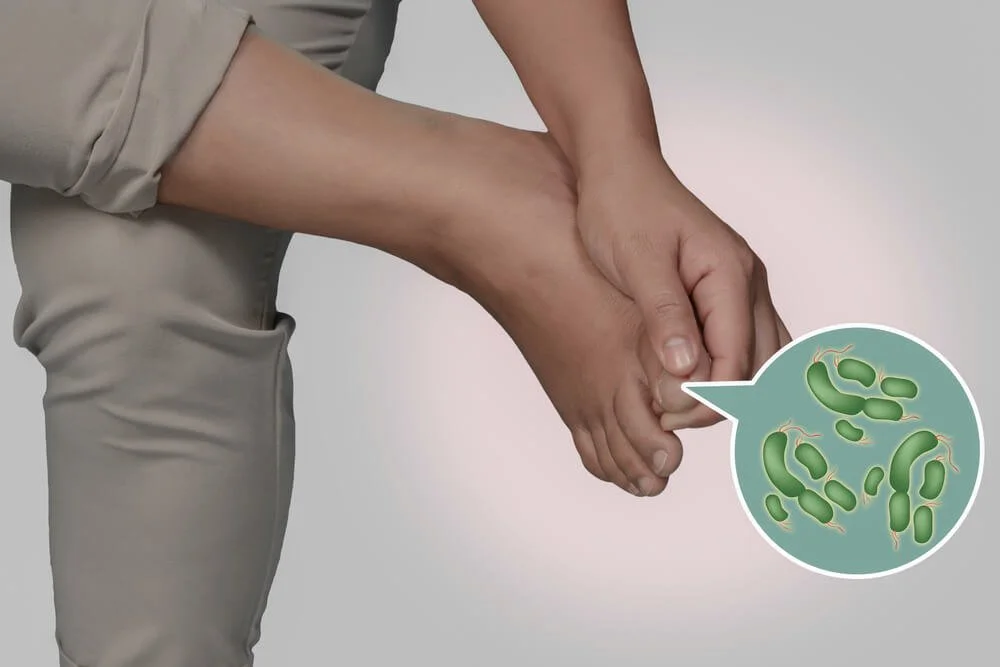
Fungal toenail infections are extremely common, and while they often begin subtly, they rarely stay mild. As the infection progresses, the toenail can become yellow or brown, thickened, brittle, and difficult to trim. Many patients also notice an unpleasant odor as the fungus feeds on keratin in the nail. Although fungal nails may not cause pain at first, advanced infections can make walking uncomfortable, lead to secondary skin issues, and become increasingly difficult to treat. Contact us because early evaluation is the key to preventing long term nail damage.
Tri County Foot and Ankle Center provides advanced, comprehensive care for fungal toenails. Understanding your treatment options and how to prevent reinfection can help protect your feet and restore the appearance and health of your nails.
Medications That Target the Infection
Topical antifungal creams, nail solutions, sprays, and shoe disinfectants are common first line treatments for mild fungal infections. These products help reduce fungal activity at the surface of the nail and surrounding skin. However, because fungal organisms typically thrive deep beneath the nail plate, topical medication alone may not be strong enough for moderate or advanced cases.
Oral antifungal medication remains one of the most effective treatment options. These prescription medications work from the inside out, targeting the infection at its source. When used safely under podiatric supervision, they offer a higher treatment success rate than topicals alone.
Debridement to Improve Treatment Success
Infected toenails often become thick, crumbly, and hard, making it challenging for medications to penetrate. Nail debridement, performed in the office, gently thins and reduces the infected nail tissue. This improves comfort, enhances the appearance of the toenail, and allows topical and oral treatments to reach the layers where fungus is active.
Debridement is a painless procedure for most patients and significantly enhances the effectiveness of any treatment plan.
Advanced Laser Therapy for Faster Relief
Laser therapy has become an increasingly popular option for stubborn fungal toenails. This safe and noninvasive treatment uses concentrated light energy to penetrate the toenail and destroy fungal cells without damaging surrounding tissue. Many patients appreciate that laser therapy requires no medication, involves no downtime, and is well tolerated.
Laser therapy is often used alongside debridement and topical or oral treatments to maximize results and encourage healthy nail regrowth.
Toenail Removal for Severe or Painful Cases
When the toenail becomes extremely thick, misshapen, or painful, complete nail removal may be recommended. This allows the underlying nail bed to be treated directly and gives a new, healthier toenail the chance to grow. While this approach is only used when necessary, it can be the most effective option for long standing infections that have not responded to other treatments.
Prevention and Long Term Protection
Fungi thrive in warm, moist environments, making prevention essential. Wearing shower shoes in public areas, keeping feet clean and dry, disinfecting shoes regularly, choosing breathable footwear, and avoiding shared nail tools all reduce the risk of reinfection.
Expert Fungal Toenail Treatment at Tri County Foot and Ankle Center
If you suspect you are developing a fungal toenail infection, early treatment is vital. Tri County Foot and Ankle Center provides state of the art fungal nail care, including laser therapy, debridement, medications, and preventive strategies.
Our podiatry team proudly serves Bayonne, East Brunswick, Jersey City, Kearny, and Randolph, New Jersey, offering comprehensive care for all your foot and ankle conditions.
Call us today or schedule your appointment online to begin effective treatment and restore healthy, clear nails.