
Big Toe Pain? Understanding Turf Toe and How to Treat It
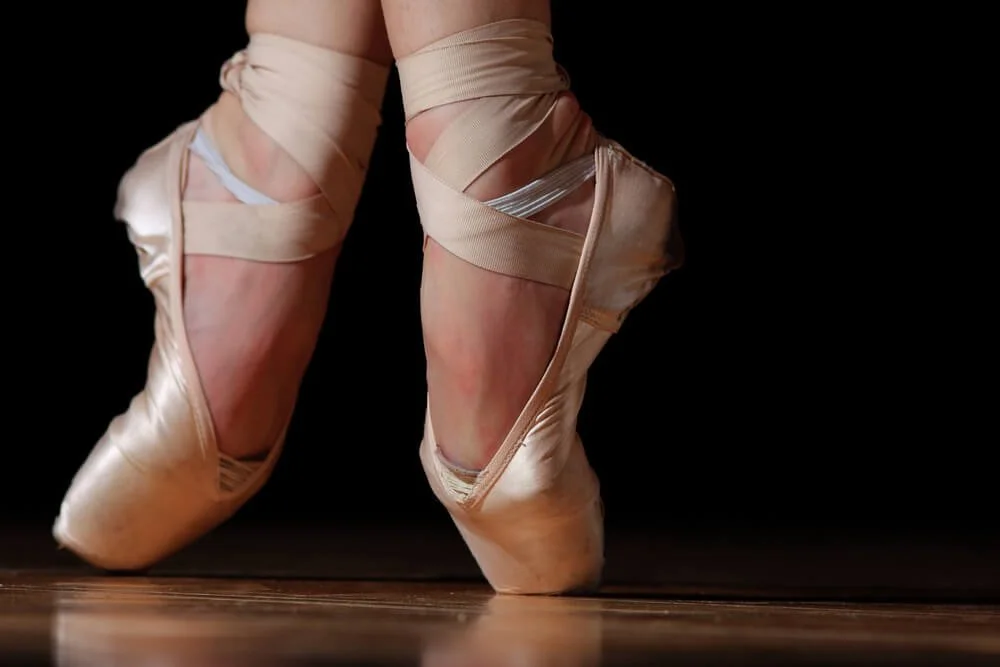
Big toe pain can make even simple movements uncomfortable. Whether you're running across a soccer field, playing basketball, working out at the gym, or walking around your neighborhood, pain at the base of your big toe can interfere with your daily routine. One possible cause is a condition called turf toe.
Although the name may sound unusual, turf toe is a relatively common sports-related and dance related injury. At Tri County Foot & Ankle Center, we help patients understand foot and ankle injuries and explore treatment options that support healing and a safe return to activity.
What Is Turf Toe?
Turf toe is a sprain involving the ligaments and supporting tissues surrounding the joint at the base of the big toe. This joint, known as the first metatarsophalangeal joint, plays an important role in balance, walking, running, and pushing off the ground.
The injury typically occurs when the big toe bends too far backward while the front of the foot remains planted. This excessive movement can stretch or tear the soft tissues supporting the joint.
Despite its name, turf toe isn't limited to football players or artificial playing surfaces. Soccer players, basketball players, dancers, runners, and active individuals can all experience this injury.
What Are the Symptoms of Turf Toe?
Symptoms vary depending on the severity of the sprain. Some injuries cause mild discomfort, while more significant injuries can make walking and participating in sports difficult.
Common symptoms include:
Pain and tenderness at the base of the big toe.
Swelling around the affected joint.
Bruising or discoloration.
Difficulty bending the toe.
Pain when pushing off during walking or running.
Reduced strength or stability in the big toe.
If you experience persistent pain after an athletic activity or sudden injury, don't assume it will disappear on its own. Other conditions, including fractures and sesamoid injuries, can cause similar symptoms.
How Is Turf Toe Treated?
Proper diagnosis is important for determining the extent of the injury and selecting appropriate treatment.
At Tri County Foot & Ankle Center, a podiatric evaluation may include examining the affected joint, assessing tenderness and movement, and reviewing how the injury occurred. X-rays may be recommended to check for fractures or other bone abnormalities. Ultrasound or MRI may be useful when additional soft-tissue evaluation is needed.
Treatment depends on the severity of the injury and may include:
Rest and activity modification: Temporarily avoiding activities that aggravate the toe allows injured tissues to recover.
Ice and elevation: These measures can help manage swelling and discomfort, particularly during the early stages.
Supportive footwear: Stiff-soled shoes or specialized inserts can limit excessive movement of the big toe.
Taping or immobilization: Depending on the injury, taping or a walking boot may help protect the joint.
Physical therapy: Guided exercises can help restore strength, flexibility, and stability as healing progresses.
More severe injuries involving significant ligament damage, joint instability, or associated fractures may require surgical evaluation. Surgery is generally reserved for selected cases when the injury warrants it.
Returning to sports too early can aggravate the injury. Your podiatrist can help determine when your toe is ready for increased activity.
When Should You See a Podiatrist?
If big toe pain, swelling, or stiffness is affecting your ability to walk comfortably, professional evaluation is important. Prompt attention can help identify the injury and prevent continued stress on the affected joint.
At Tri County Foot & Ankle Center, our podiatrists provide comprehensive foot and ankle care for patients in Bayonne, East Brunswick, Jersey City, Kearny, Randolph, and surrounding New Jersey communities.
Don't let an injured toe keep you on the sidelines. Our podiatry team can evaluate your symptoms and discuss treatment options based on your individual needs.
Take the first step toward recovery. Contact Tri County Foot & Ankle Center today to schedule an appointment.