
Children’s Soccer and Ingrown Toenails in New Jersey
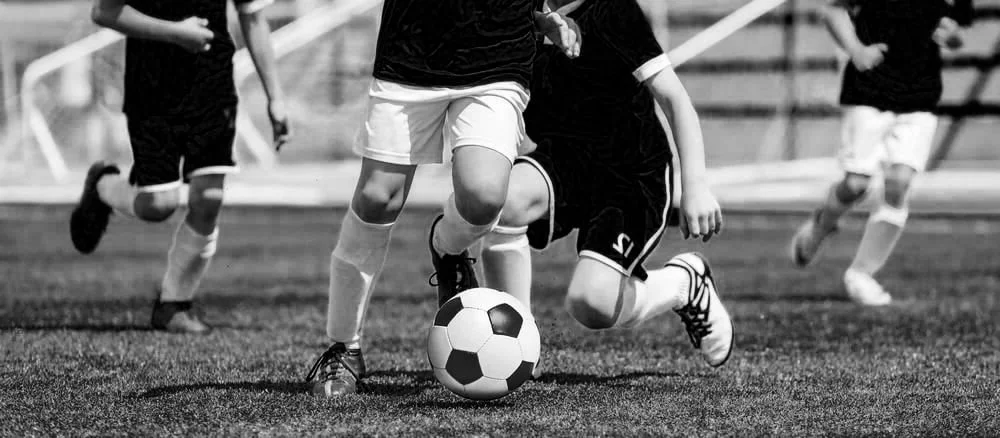
At Tri County Foot and Ankle Center in New Jersey, we often see young soccer players who initially thought a sore toe was just part of the game. One of the most common findings in these cases is an ingrown toenail. While soccer does not directly cause the condition, the sport can certainly contribute to it when combined with growth, footwear issues, and routine nail care habits.
An ingrown toenail develops when the edge of the nail begins to grow into the surrounding skin. This leads to pain, redness, swelling, and sometimes infection. In active children and teens, especially those playing soccer multiple times a week, symptoms tend to appear quickly due to repetitive pressure on the toes.
Soccer and Ingrown Toenails: What’s Really Happening
It’s important to clarify that soccer itself is not the cause. Instead, it’s the environment around the sport that increases the likelihood of irritation.
Young athletes commonly experience:
Cleats that become tight too quickly during growth spurts
Constant pressure on the front of the toes from running and stopping
Moist, warm conditions inside shoes that soften the nail and skin
Minor repeated trauma from kicking and impact during play
When this is combined with improper nail trimming (such as cutting nails too short or rounding the corners) the nail can begin to press into the skin over time.
Why This Is So Common in Children
Children’s feet change rapidly, often faster than parents realize. A cleat that fit comfortably in early season training may become restrictive just weeks later. Many young athletes also push through discomfort without reporting early symptoms, which allows irritation to progress.
Symptoms of ingrown nails:
Redness around the nail
Complaints of pain when wearing cleats
Avoidance of practice or limping after games
Treatment at Tri County Foot and Ankle Center
At Tri County Foot and Ankle Center, our focus is on gentle, effective care that helps young athletes recover quickly and comfortably.
Depending on the severity of the condition, treatment may include:
Conservative care: Warm soaks, proper footwear guidance, and monitoring
Partial nail removal: Removing the small portion of nail causing irritation
Permanent correction (when needed): A simple in-office procedure to prevent recurrence in chronic cases
Infection care: Addressing redness, drainage, or worsening pain promptly
Most treatments are performed in-office with local anesthesia and minimal downtime, allowing children to return to normal activity once healing begins.
Ingrown Toenail Prevention Info
Small adjustments can significantly reduce the risk of ingrown toenails:
Trim toenails straight across, avoiding rounded edges
Ensure cleats are properly sized, especially during growth periods
Replace worn or tight shoes promptly
Encourage children to report toe pain early rather than “playing through it”
Keeping Young Athletes Comfortable and Active
Soccer plays an important role in many children’s lives, building confidence, fitness, and teamwork. Foot pain should not interfere with that experience.
If your child is experiencing persistent toe pain or signs of an ingrown toenail, our experienced and compassionate podiatrists are here to help. Schedule an appointment with Tri County Foot & Ankle Center conveniently located in Bayonne, East Brunswick, Jersey City, Kearny, and Randolph, NJ. Early evaluation and treatment can prevent complications and help young athletes stay active, comfortable, and confident on the field.